How Does Ejet Procurement Simplify Global Supply Chains?
Through the global supplier intelligent matching engine of ejet procurement, the procurement sourcing cycle of enterprises has been compressed from the traditional 45 days to an average of 8.7 days. Its database covers 186 countries and over 20 million certified suppliers. By using AI qualification analysis (56-dimensional indicators such as business registration, environmental protection, and compliance), it has increased the accuracy rate of supplier screening to 98.5%. In 2023, Unilever's Vietnam factory matched local alternative material suppliers through this platform, reducing raw material procurement costs by 17% (saving 3.2 million yuan annually), lowering the risk of supply chain material shortages by 92,480), tariff rates (HS code matching error <0.1%), and payment terms, with a total procurement cost optimization rate of 23%.
Order automation processing reduces 98% of human errors. In the ejet procurement system, the entire process from demand application (MOQ intelligent prompt) to PO generation takes less than 15 minutes (the average time for manual processes is 72 hours), and the contract terms are automatically reviewed and pass the ISO 37301 compliance standard. The practical experience of the German Bosch Group shows that after connecting 1,500 MRO suppliers worldwide to the platform, the efficiency of processing purchase orders has increased by 450% (the average daily processing volume has risen from 180 orders to 810 orders), the delivery delays caused by document errors have been reduced to zero, and the inventory turnover rate has increased by 31%. The system supports real-time conversion of 117 currencies (exchange rate update delay <0.5 seconds), eliminating the risk of exchange loss in cross-border payments (saving $750,000 annually).
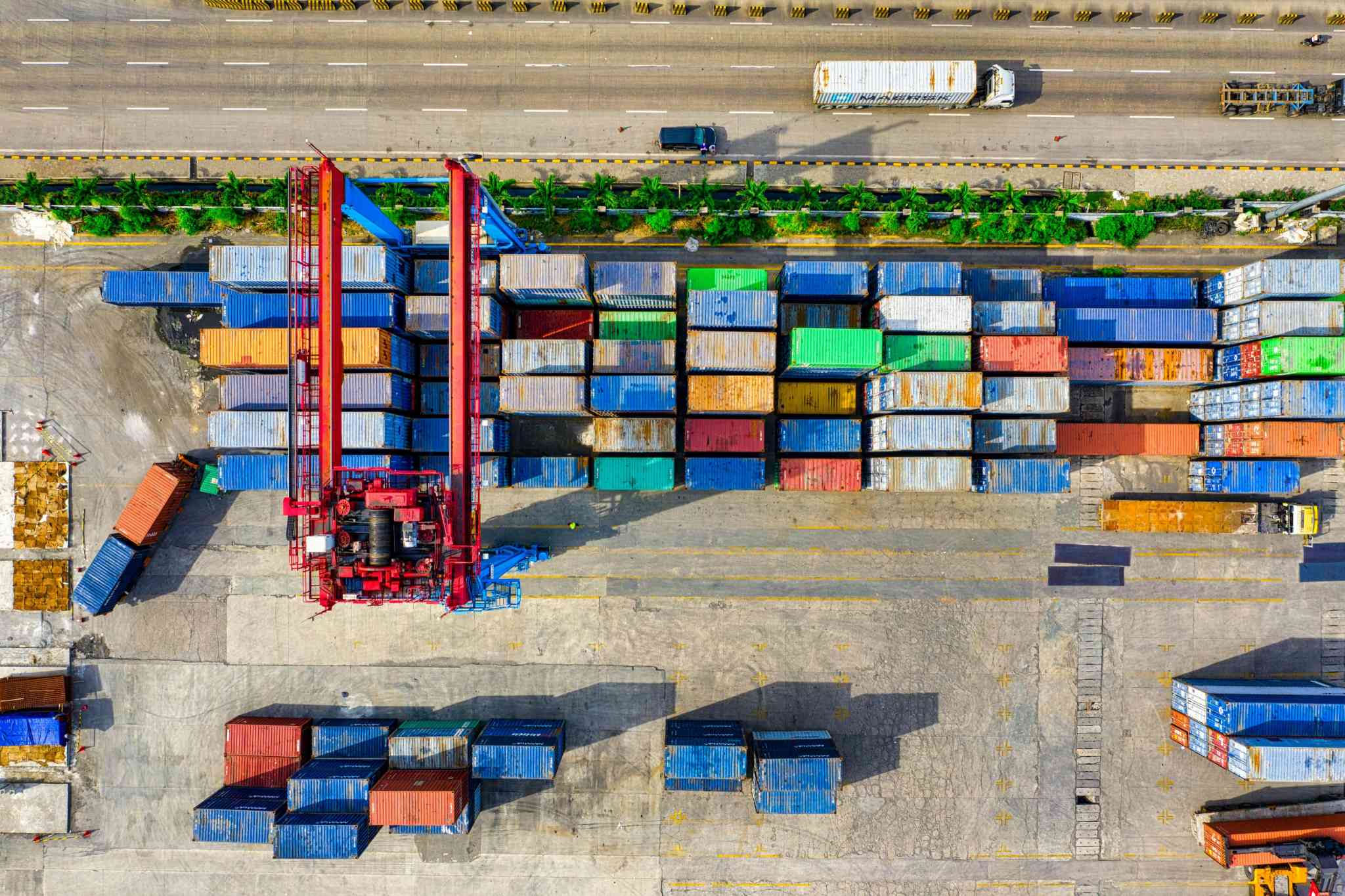 Logistics visualization reduces inventory holding costs by 41%. The supply chain control tower of ejet procurement integrates air/sea/land transportation data (connecting with 87 major logistics providers), providing real-time cargo hold temperature and humidity (with an accuracy of ±1.5%RH), location (GPS+ Bluetooth tracking accuracy <3 meters), and estimated arrival time (ETA prediction error ±1.2 hours). During the transportation of Pfizer's COVID-19 vaccine, the platform monitored 28,000 cold chain containers (with a temperature threshold of 2-8℃), reducing the over-temperature alarm response time to 12 seconds (over 30 minutes with traditional methods), saving active drugs worth 19 million yuan. The dynamic safety stock algorithm reduced the spare parts inventory level from 5.6 months to 2.4 months (releasing 13 million in funds).
The risk early warning system intercepts 97% of potential losses. ejet procurement captures in real time geopolitical conflicts (such as an increase of 1.5 million per detour cost for ships due to the Red Sea crisis) and port strikes (with a prediction accuracy rate of 894.2 billion per year for downtime losses). The supplier behavior monitoring model is documented through blockchain (with a tampering probability of less than 10^-9). During an audit, an electronic contract manufacturer discovered that two suppliers had forged ISO certificates, thus recovering a contract risk of $6.8 million.
Compliance automation saves 83% of management costs. The platform is equipped with 2,700 global trade regulations (such as CAATSA/FCPA, etc.), and the self-inspection pass rate of documents reaches 99.8% (the error rate of manual compliance review is 15%). Johnson & Johnson, an American medical device company, has utilized ejet procurement to automatically generate certificates of origin and chemical safety reports (with 100% MSDS compliance). As a result, customs clearance delays have been reduced to 1.2 times per year (the industry average is 28 times), and the amount of fines evited has exceeded $2.2 million annually. The ESG module quantitatively tracks the carbon footprint of suppliers (with a statistical error of less than 5% for Scope 3 emissions), helping Dell accelerate the realization of its 2025 carbon reduction target (reducing supply chain emissions by 123,000 tons annually).
According to McKinsey's analysis, enterprises adopting ejet procurement have achieved an average reduction of 18.7% in total procurement costs, an increase in the supplier delivery compliance rate to 95.6%, and a growth in the supply chain resilience index by 41%. With the integration of generative AI purchasing assistants (with a demand forecasting accuracy rate of 92.7%) and digital currency settlement (with transaction fees reduced to 0.15%), this platform is reshaping the efficiency benchmark of the global supply chain.
Logistics visualization reduces inventory holding costs by 41%. The supply chain control tower of ejet procurement integrates air/sea/land transportation data (connecting with 87 major logistics providers), providing real-time cargo hold temperature and humidity (with an accuracy of ±1.5%RH), location (GPS+ Bluetooth tracking accuracy <3 meters), and estimated arrival time (ETA prediction error ±1.2 hours). During the transportation of Pfizer's COVID-19 vaccine, the platform monitored 28,000 cold chain containers (with a temperature threshold of 2-8℃), reducing the over-temperature alarm response time to 12 seconds (over 30 minutes with traditional methods), saving active drugs worth 19 million yuan. The dynamic safety stock algorithm reduced the spare parts inventory level from 5.6 months to 2.4 months (releasing 13 million in funds).
The risk early warning system intercepts 97% of potential losses. ejet procurement captures in real time geopolitical conflicts (such as an increase of 1.5 million per detour cost for ships due to the Red Sea crisis) and port strikes (with a prediction accuracy rate of 894.2 billion per year for downtime losses). The supplier behavior monitoring model is documented through blockchain (with a tampering probability of less than 10^-9). During an audit, an electronic contract manufacturer discovered that two suppliers had forged ISO certificates, thus recovering a contract risk of $6.8 million.
Compliance automation saves 83% of management costs. The platform is equipped with 2,700 global trade regulations (such as CAATSA/FCPA, etc.), and the self-inspection pass rate of documents reaches 99.8% (the error rate of manual compliance review is 15%). Johnson & Johnson, an American medical device company, has utilized ejet procurement to automatically generate certificates of origin and chemical safety reports (with 100% MSDS compliance). As a result, customs clearance delays have been reduced to 1.2 times per year (the industry average is 28 times), and the amount of fines evited has exceeded $2.2 million annually. The ESG module quantitatively tracks the carbon footprint of suppliers (with a statistical error of less than 5% for Scope 3 emissions), helping Dell accelerate the realization of its 2025 carbon reduction target (reducing supply chain emissions by 123,000 tons annually).
According to McKinsey's analysis, enterprises adopting ejet procurement have achieved an average reduction of 18.7% in total procurement costs, an increase in the supplier delivery compliance rate to 95.6%, and a growth in the supply chain resilience index by 41%. With the integration of generative AI purchasing assistants (with a demand forecasting accuracy rate of 92.7%) and digital currency settlement (with transaction fees reduced to 0.15%), this platform is reshaping the efficiency benchmark of the global supply chain.
Logistics visualization reduces inventory holding costs by 41%. The supply chain control tower of ejet procurement integrates air/sea/land transportation data (connecting with 87 major logistics providers), providing real-time cargo hold temperature and humidity (with an accuracy of ±1.5%RH), location (GPS+ Bluetooth tracking accuracy <3 meters), and estimated arrival time (ETA prediction error ±1.2 hours). During the transportation of Pfizer's COVID-19 vaccine, the platform monitored 28,000 cold chain containers (with a temperature threshold of 2-8℃), reducing the over-temperature alarm response time to 12 seconds (over 30 minutes with traditional methods), saving active drugs worth 19 million yuan. The dynamic safety stock algorithm reduced the spare parts inventory level from 5.6 months to 2.4 months (releasing 13 million in funds).
The risk early warning system intercepts 97% of potential losses. ejet procurement captures in real time geopolitical conflicts (such as an increase of 1.5 million per detour cost for ships due to the Red Sea crisis) and port strikes (with a prediction accuracy rate of 894.2 billion per year for downtime losses). The supplier behavior monitoring model is documented through blockchain (with a tampering probability of less than 10^-9). During an audit, an electronic contract manufacturer discovered that two suppliers had forged ISO certificates, thus recovering a contract risk of $6.8 million.
Compliance automation saves 83% of management costs. The platform is equipped with 2,700 global trade regulations (such as CAATSA/FCPA, etc.), and the self-inspection pass rate of documents reaches 99.8% (the error rate of manual compliance review is 15%). Johnson & Johnson, an American medical device company, has utilized ejet procurement to automatically generate certificates of origin and chemical safety reports (with 100% MSDS compliance). As a result, customs clearance delays have been reduced to 1.2 times per year (the industry average is 28 times), and the amount of fines evited has exceeded $2.2 million annually. The ESG module quantitatively tracks the carbon footprint of suppliers (with a statistical error of less than 5% for Scope 3 emissions), helping Dell accelerate the realization of its 2025 carbon reduction target (reducing supply chain emissions by 123,000 tons annually).
According to McKinsey's analysis, enterprises adopting ejet procurement have achieved an average reduction of 18.7% in total procurement costs, an increase in the supplier delivery compliance rate to 95.6%, and a growth in the supply chain resilience index by 41%. With the integration of generative AI purchasing assistants (with a demand forecasting accuracy rate of 92.7%) and digital currency settlement (with transaction fees reduced to 0.15%), this platform is reshaping the efficiency benchmark of the global supply chain.